How to Care for Your Adenium arabicum (Desert Rose)
Care Guide
Adenium
Arabicum
The Desert Rose. A living sculpture with a swollen caudex, ancient character, and blooms that reward years of patience with something extraordinary.
The Plant
Part sculpture.
Part artifact.
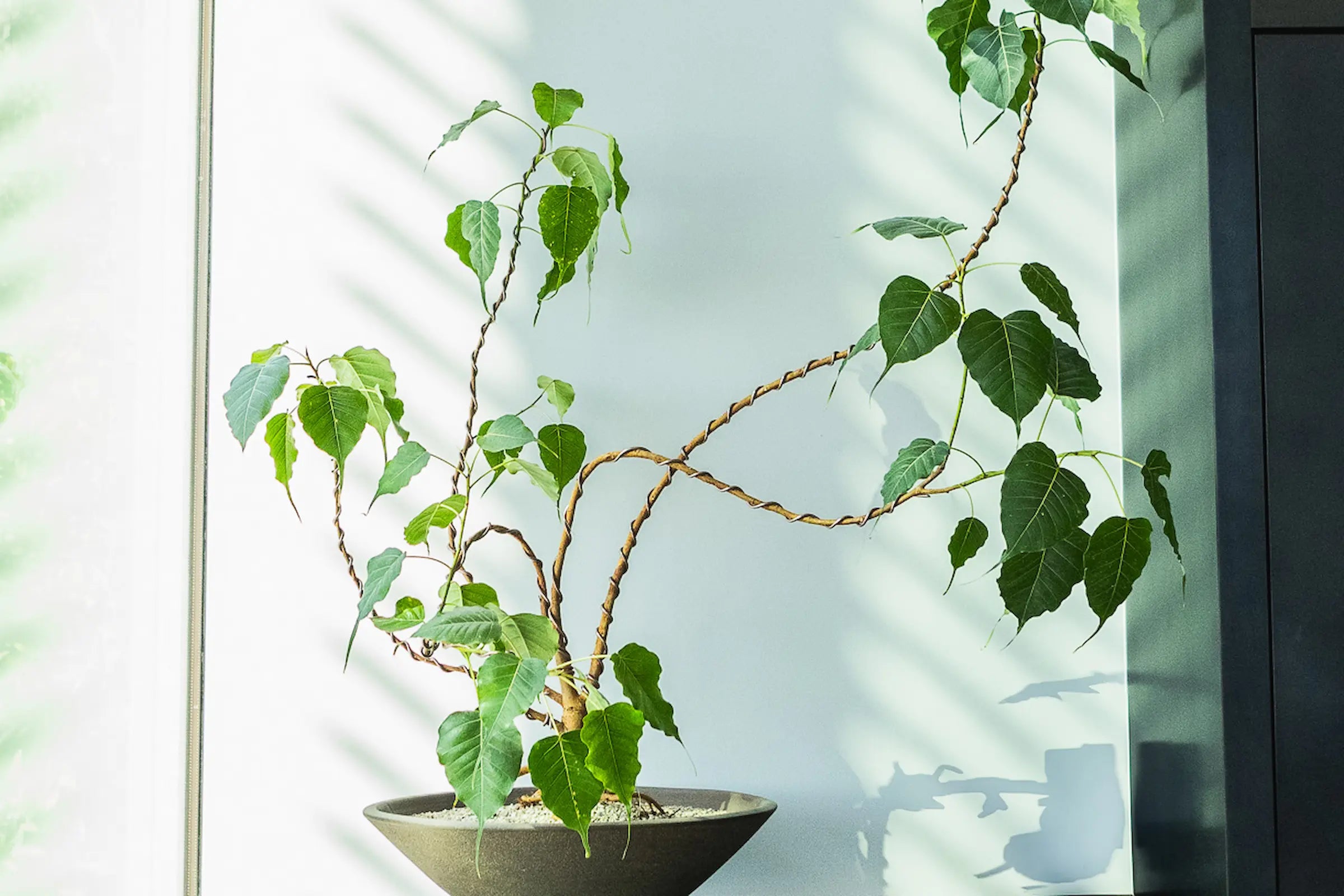
Native to the sun-baked landscapes of Yemen, Saudi Arabia, and Oman, the Adenium arabicum is engineered for extremes. Its most defining feature is the caudex — a dramatically swollen trunk base that functions as a water reservoir, developing slowly over years into a broad, gnarled form that looks ancient from the moment you acquire it.
Unlike most statement plants that rely on foliage, the Desert Rose commands a room through structure. The caudex gets better every year. It cannot be rushed, only supported — and that patience is exactly what makes a mature specimen so rare and valuable.
At a Glance
Light
The Desert Rose demands more light than almost any other plant you can keep indoors. It originates in the full, unfiltered sun of the Arabian Peninsula, and a south-facing window with several hours of direct sunlight daily is the minimum — not the goal. The more direct sun it receives, the more compact the growth, the thicker the caudex development, and the more likely it is to flower.
In low light, the decline is visible and specific: new growth becomes elongated and weak, the caudex development stalls, and the compact sculptural form the plant is known for gives way to something leggy and formless. If you can only give this plant one thing, make it the brightest spot in your home. Everything else follows from there.
Supplementing with grow lights: If natural direct sun is limited, a high-output full-spectrum grow light running 12–14 hours daily can effectively substitute. Position it close to the plant — the intensity drops off quickly with distance.
Watering
Watering the Desert Rose requires a complete reset of how most people approach plant care. This species is built for feast and famine — deep, thorough saturation followed by extended, near-complete drying. Water every two to three weeks during the growing season, allowing the soil to dry almost completely between sessions. When you do water, do it slowly and thoroughly so the entire root zone is saturated before the next dry cycle begins.
In winter dormancy, when the plant has dropped its leaves, reduce to once a month or less — or stop entirely for two to three months, which many growers do with no ill effect. The caudex stores enough water to sustain the plant through the rest period.
The single most common mistake: Overwatering. A soft or mushy caudex at the base is a serious warning sign — stop watering immediately, allow a full dry-out, and inspect the roots. Remove any blackened or mushy root material and repot in fresh dry mix.
Reading the Caudex
The caudex is not just the plant's most striking feature — it is your most reliable real-time health indicator. More reliable than the soil surface, more reliable than the leaves, more reliable than any watering schedule. Learn to read it and you will never have to guess about this plant's needs.
The caudex expands slowly over years with good care, developing an increasingly complex surface texture and character that makes a mature specimen look genuinely ancient. Exposing the upper root system slightly above the soil line is a common and healthy practice that enhances its visual impact — raise the plant a little each time you repot.
Firm & plump
Moisture is adequate. The plant is well-hydrated and does not need water yet. Continue the current interval.
Slightly wrinkled
The plant is ready for water. This is the correct moment to water — not before. Water thoroughly and allow a full dry cycle before the next session.
Soft or mushy
Overwatering or root rot. Stop all watering immediately. Allow a full extended dry-out and inspect the root system for rot.
Dormancy
As temperatures cool and day length shortens in fall, the Desert Rose will drop most or all of its leaves. This is not a sign of distress — it is a deeply ingrained seasonal behavior from its native environment, where cool, dry winters trigger a period of rest. First-time owners often panic at this point. Don't.
During dormancy, reduce watering dramatically — once every four to six weeks is sufficient, and many growers stop entirely for two to three months with no ill effect. Do not fertilize. Keep the plant in the warmest, brightest available spot and maintain warmth above 55°F. New growth will emerge in spring as temperatures rise and light increases, often more vigorous than the season before.
Check the caudex, not the leaves: During dormancy, the caudex should remain firm throughout. A soft or collapsing caudex during rest is the only genuine cause for concern — and it points to excess moisture, not the leaf drop itself.
Humidity & Temperature
Unlike almost every other statement plant, the Desert Rose actively prefers dry air. Low humidity is not a problem to manage — it is the preferred condition. Modern heated or air-conditioned interiors that would stress a tropical plant are perfectly comfortable for this species.
Temperature is where real care is required. The Desert Rose thrives between 65–95°F and is genuinely cold-sensitive below 50°F. A single night near a cold window in winter can cause significant damage. Keep it in the warmest, brightest position in your home from fall through spring, well away from exterior walls, cold drafts, and any uninsulated glass.
Soil & Fertilizing
Soil selection is non-negotiable. The Desert Rose evolved in rocky, sandy desert soils where water passes through rapidly and roots never sit in moisture. A standard potting mix that retains moisture will cause rot over time. Use a mix of 50–60% inorganic material — coarse perlite, pumice, or horticultural sand — combined with a quality cactus or succulent base. The finished medium should feel gritty and dry out within one to two days of watering.
Plant in a container that fits the root ball closely. Excess soil around the roots holds moisture far longer than the plant can tolerate — a snug fit is always preferable with this species.
Feed monthly through spring and into early fall with a balanced liquid fertilizer at half strength. A formulation with slightly higher phosphorus supports caudex development and encourages flowering. Stop feeding entirely when the plant enters dormancy — fertilizing a resting Desert Rose causes salt buildup without any benefit — and resume only once new growth visibly emerges in spring.
Pruning
The Desert Rose responds well to pruning and can be shaped into increasingly refined forms over time. Pruning encourages branching, creating a fuller canopy above the caudex and enhancing the overall sculptural quality of the plant. Early spring as the plant breaks dormancy is the right window — new growth will push quickly from cut points and the plant will recover before the heat of summer.
Make clean cuts just above a node to direct new branching. Remove dead, crossing, or inward-growing stems to keep the structure open and intentional.
Always wear gloves when pruning. The milky sap that appears at cut points contains cardiac glycosides — the same compounds that make this plant toxic. Avoid all contact with eyes or skin and wash hands thoroughly after handling.
Seasonal Calendar
Spring
Resume watering as new growth emerges. Begin monthly fertilizing. Repot if needed. This is the most active and rewarding period of the growth cycle — the plant is waking up.
Summer
Peak season. Maximize light exposure. Water when soil is nearly fully dry. Fertilize monthly. Move outdoors if temperatures permit — the plant will thrive.
Autumn
Begin winding down. Stop fertilizing. Reduce watering. Leaf drop will begin — this is normal. Move to the warmest, brightest available location.
Winter
Full dormancy. Water once every 4–6 weeks or not at all. No fertilizer. Keep warm above 55°F and away from cold drafts. Caudex should remain firm.
Common Issues
Soft or Mushy Caudex
The most serious warning sign — root rot from overwatering. Stop all watering immediately. Allow a full dry-out, inspect roots, remove any blackened or mushy material, and repot in fresh dry mix.
Leaf Drop (out of season)
Normal in fall and winter as dormancy begins. If occurring outside this period, check for cold exposure, overwatering, or a significant reduction in light. The caudex firmness will tell you which.
Leggy, Weak Growth
A direct and unambiguous sign of insufficient light. Move to the brightest available spot immediately. This plant cannot maintain its compact sculptural form without strong, consistent direct sun.
No Flowering Indoors
Flowering requires very high light intensity and a pronounced dormancy cycle followed by resumed watering in spring. Maximize light year-round and allow a proper winter rest. Plants in low light rarely flower regardless of other care.
Repotting & Lifespan
Repot every two to three years, or when the root system has clearly filled the container. Spring is the right window. Choose a container only slightly larger than the current one — excess soil holds moisture far longer than this species can tolerate. Refresh the soil mix entirely at each repotting.
After repotting, wait one to two weeks before watering. This allows any damaged roots time to callous, which significantly reduces the risk of rot in the fresh mix. Each time you repot, consider raising the plant slightly higher to expose more of the caudex above the soil line — this is completely healthy and enhances the plant's visual drama over time.
The Adenium arabicum is a legacy plant. In its native habitat it lives for decades — and some specimens for far longer. Indoors with consistent, appropriate care, it becomes one of the most enduring and character-rich things in a home. The caudex that looks impressive today will look extraordinary in ten years. Give it the light and dryness it needs, and it will outlast most plants you'll ever own.
The Plant Daddies Society
Let us handle
the care.
Weekly expert visits, full plant protection, and a living collection that grows with you. The Society takes the guesswork out of plant ownership entirely.