
How to Care for Your Pelargonium xeropyton (Desert Pelargonium)
Care Guide
Pelargonium
xerophyton
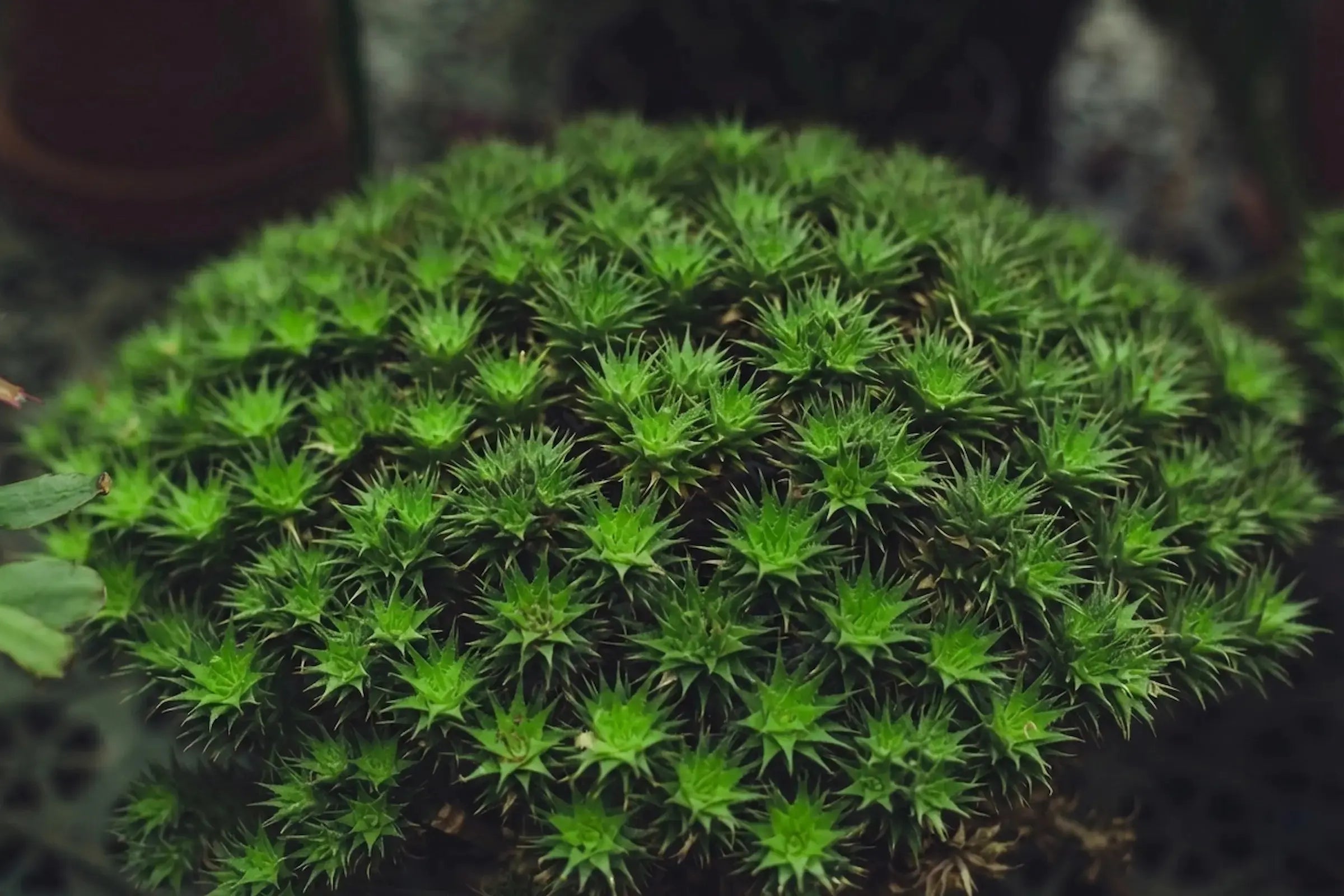
The Mountain Pelargonium — a geophytic South African pelargonium with a tuberous base, compact aromatic foliage strongly scented when touched, and cheerful flowers in the active season.
The Plant
Alpine aromatic.
Mountain character.
Native to the rocky montane slopes of South Africa's Cape mountains, the Pelargonium xerophyton is a geophytic pelargonium — developing a semi-woody or tuberous base that stores water and energy reserves through the dry season. It grows compact and aromatic, with foliage that releases a distinctive, resinous fragrance when touched, and produces cheerful flowers in spring and summer.
Unlike the familiar garden pelargoniums grown for their bold flower displays, the xerophyton is grown as much for its compact architectural habit, its aromatic quality, and the developing character of its tuberous base as for its flowers. It is a plant that rewards close attention and frequent contact — brushing the foliage releases the fragrance and is itself one of the most satisfying small pleasures in owning this species.
At a Glance
Light & Placement
The Mountain Pelargonium requires maximum light — a south-facing window with direct sun for as many hours as your space allows. Native to the rocky montane regions of South Africa's Western Cape and Eastern Cape, it grows in open, intense alpine sun with well-drained rocky soils and pronounced seasonal drought. In strong direct light it maintains its compact, low-growing form, produces its aromatic foliage, and flowers reliably in season. In lower light growth becomes loose and leggy, and flowering becomes unreliable.
This is a full-sun specialist that belongs at the glass. For a practical light assessment framework, see our Interior Plant Placement Guide.
Watering & Reading the Plant
Allow the soil to dry almost completely between waterings. The Pelargonium xerophyton (the species name means "dry plant") evolved in rocky, fast-draining montane soils where moisture passes through quickly and the root zone never stays wet for long. It stores reserves in its tuberous or semi-woody stem base. In the active season, every two to three weeks is typically appropriate. In winter, extend to three to four weeks or more. During its rest period, water even more sparingly. See our guide on how to know when to water your plants.
Well Hydrated
Leaves are held firmly and the semi-woody stems feel turgid. Soil is dry when probed. The plant is well-hydrated — continue the current interval.
Ready to Water
Leaves feel slightly less firm than fully hydrated. The soil is completely dry when probed. Water slowly and thoroughly, then allow a complete dry cycle.
Overwatered
Stop watering immediately. Soft or yellowing stems at the base indicate overwatering. Allow extended drying and inspect the stem base before resuming any water.
The Aromatic Geophyte Base
The Pelargonium xerophyton is a geophytic or tuberous pelargonium — developing a swollen, semi-woody base that serves as a water and energy reservoir through the dry season. Unlike the common garden pelargonium grown for its flowers, this species is grown primarily for its compact, architectural habit, its aromatic foliage (strongly scented when brushed), and the developing character of its tuberous base over years.
The aromatic compounds in the leaves vary by individual plant — some have a spicy, resinous quality; others are more floral or lemony. The scent is released most strongly when the foliage is touched or brushed. This makes the plant rewarding to position near a frequently-used walkway or sitting area, where passing contact releases the fragrance.
Temperature & Humidity
The Mountain Pelargonium is relatively cold-tolerant for a South African species — reflecting its montane origin where winter temperatures can approach freezing. It handles temperatures down to around 35 to 40 degrees Fahrenheit without damage if the soil is dry. Sustained wet cold is more damaging than dry cold.
Humidity needs are low. It evolved in the dry montane conditions of the Cape mountains and handles standard interior air without supplemental moisture. Good airflow around the plant is beneficial, reducing the risk of fungal issues in the dense, aromatic foliage.
Fertilizing
Feed lightly once a month during spring and summer with a balanced liquid fertilizer at half strength or a low-nitrogen formula. The xerophyton evolved in lean, rocky mountain soils and does not need or benefit from heavy feeding — over-fertilizing produces weak, soft growth and can cause the basal reserve to develop less impressively.
Stop feeding through fall and winter. Resume in spring when new growth becomes active. For the complete approach to indoor fertilizing, see our guide on fertilizing indoor plants properly.
Pruning & Maintenance
The Pelargonium xerophyton benefits from light pruning in spring to maintain its compact form and encourage dense branching. Trim back any leggy or spent stems to just above a leaf node. After flowering, remove spent flower heads promptly to encourage a second flowering flush.
The aromatic foliage can be harvested for fragrant dry arrangements or simply enjoyed in situ. Pruning releases the scent, which is one of the incidental rewards of maintaining this plant. See our pruning guide for the complete approach.
Repotting
Repot every two to three years in spring before the growing season begins. Use a very fast-draining mix — a dedicated cactus and succulent blend with additional perlite or grit. The tuberous base should sit at or slightly above the soil line. After repotting, wait one to two weeks before watering.
Propagation: From stem cuttings taken in spring or early summer. Allow cut ends to callous for 24 hours, then place in dry, fast-draining mix in bright, direct light. Water very sparingly until roots develop over three to five weeks.
Common Issues
The Pelargonium xerophyton is robust when its high-light, well-drained requirements are met. Most issues trace to overwatering causing stem rot, or insufficient light causing leggy growth.
Stem Rot at Base
Overwatering, especially in cooler conditions. Stop watering immediately. Allow complete drying. Remove affected tissue and allow to dry before repotting in fresh, very fast-draining mix.
Leggy Growth
Insufficient light. Move to maximum available direct sun and prune back leggy stems to encourage denser regrowth in better conditions.
Poor Flowering
Insufficient light or a plant that has not been given a clear dry rest period. Maximize direct sun and allow a pronounced dry rest in late fall before the spring growing season.
Loss of Fragrance
Plants in lower light tend to produce fewer aromatic compounds in their foliage. Moving to a brighter, direct-sun position generally increases the intensity of the fragrance.
Fine webbing and stippling on the aromatic leaves in dry conditions. Treat with neem oil or insecticidal soap applied to all surfaces. Repeat weekly for three to four weeks.
White cottony deposits at leaf axils and branch junctions. Treat with isopropyl alcohol on a cotton swab then follow with neem oil. The dense branching provides good cover for mealybug colonies. Repeat weekly.
Inspect neighboring plants immediately. Scrape away manually and treat all surfaces with neem oil. Repeat weekly for a full month.
Dust on Leaves
The broad leaf surfaces collect dust and reduce photosynthetic efficiency over time. Wipe gently with a soft damp cloth, top and underside. Do not use leaf shine products. Regular cleaning also lets you detect early pest activity before it spreads.
Growth & Lifespan
The Pelargonium xerophyton is a slow-growing, long-lived plant that becomes progressively more interesting over years of good care in maximum light. The semi-woody base develops character; the branching becomes more complex; the fragrance more pronounced.
It is a plant for those who appreciate the aromatic and the structural simultaneously — a small-scale specimen that rewards close attention with both visual and olfactory qualities that are genuinely unique in an interior plant collection.
The Plant Daddies Society
Let us handle
the care.
Weekly expert visits, full plant protection, and a living collection that grows with you. The Society takes the guesswork out of plant ownership entirely.
%0A%0A%0A%0A%0A%0A%20%20%0A%0A%20%20Care%20Guide%0A%20%20Pelargoniumxerophyton%0A%0A%20%20The%20Mountain%20Pelargonium%20%E2%80%94%20a%20geophytic%20South%20African%20pelargonium%20with%20a%20tuber...)