How to Identify and Treat Spider Mites on Indoor Plants
Spider Mites on Indoor Plants: Prevention, Detection, and Treatment Guide
Spider mites are one of the most persistent indoor plant pests. They are microscopic, reproduce quickly, and often appear without warning.
They are also manageable.
Understanding how spider mites behave, why they appear, and how to treat them properly allows you to resolve infestations without long-term damage.
This is not about panic.
It is about precision.
What Spider Mites Actually Are
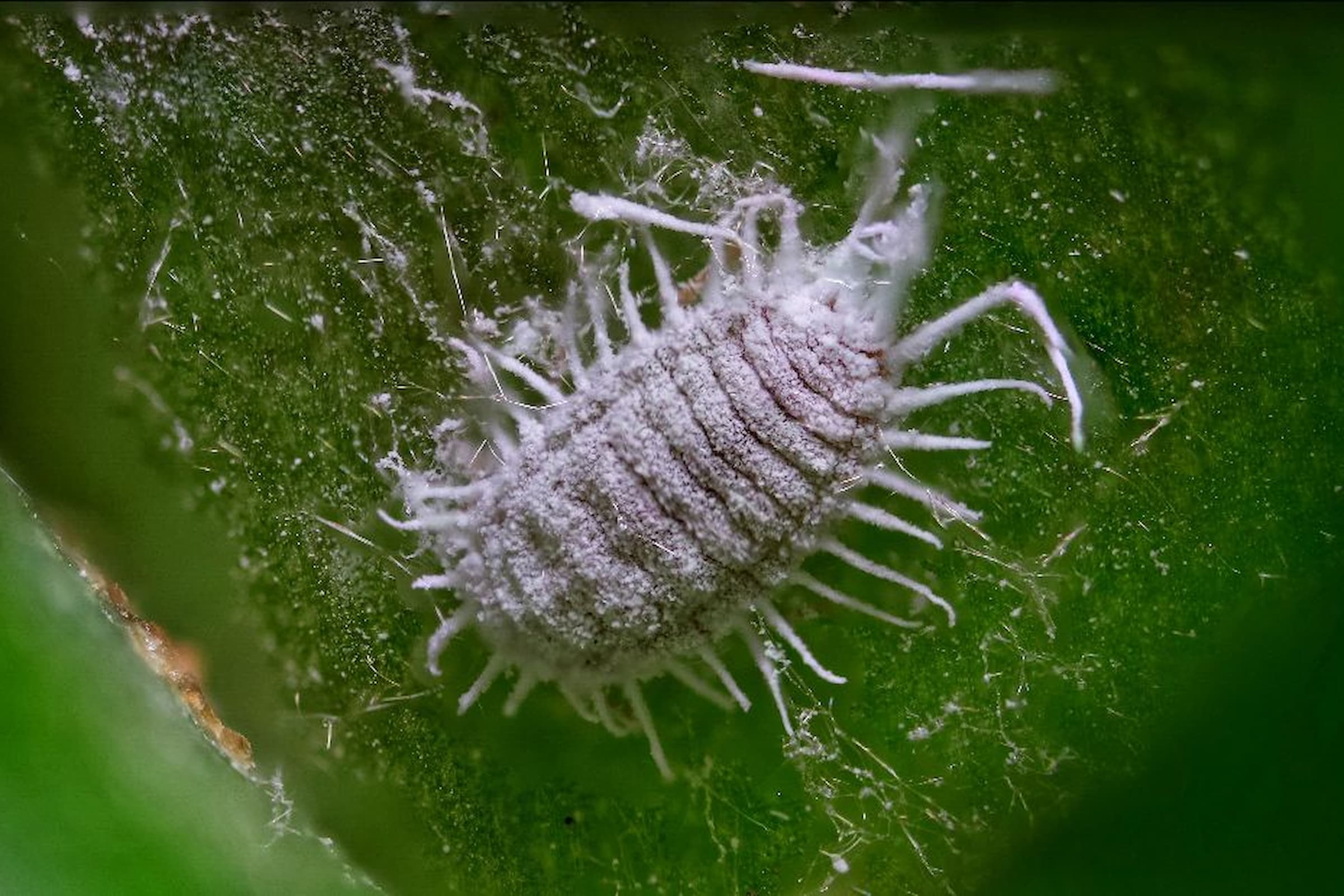
Spider mites are tiny arachnids that feed by piercing plant tissue and extracting cell contents.
They are nearly invisible to the naked eye but leave visible damage behind.
They thrive in:
• Dry indoor air
• Stagnant environments
• Warm temperatures
• Stressed plants
Their presence is usually a sign that environmental conditions need adjustment.
How Spider Mites Damage Plants
Spider mites puncture individual plant cells.
Over time, this leads to:
• Pale speckling across leaves
• Faded or dull foliage
• Fine webbing near stems and leaf joints
• Premature leaf drop
• Slowed growth
In severe cases, heavy infestations can significantly weaken a plant’s ability to photosynthesize.
The earlier they are detected, the easier they are to control.
Early Signs of Spider Mites
The most common early indicator is subtle stippling.
Look for:
• Tiny light-colored dots across leaf surfaces
• Leaves that appear dusty or washed out
• Fine webbing in tight growth areas
• Slight leaf curling
To confirm, place a white sheet of paper beneath a leaf and tap gently. Small moving specks may fall onto the paper.
Regular inspection, especially during dry seasons, is critical.
Why Spider Mites Appear
Spider mites are opportunistic.
They are more likely to establish when:
• Air circulation is poor
• Indoor air is excessively dry
• Soil remains dry for extended periods
• Light conditions are inadequate
• Seasonal heating reduces humidity
Environmental stress weakens plant defenses.
Spider mites take advantage of imbalance.
Treatment Strategy: A Controlled Approach
Spider mite treatment requires consistency.
Step 1: Isolate the Plant
Move the affected plant away from others to limit spread.
Step 2: Physically Remove the Population
Rinse foliage thoroughly with lukewarm water.
Focus on:
• Undersides of leaves
• Stem joints
• Dense growth areas
This reduces the population immediately.
Step 3: Apply Targeted Treatment
Use one of the following:
• Insecticidal soap
• Neem oil
• Spinosad-based insect control
Apply evenly to all foliage, especially undersides. Follow product instructions carefully.
Repeat applications according to label directions to disrupt the reproductive cycle.
Stopping too early allows resurgence.
Step 4: Correct the Environment
Spider mites thrive in imbalance.
Improve:
• Air circulation
• Consistent watering rhythm
• Light exposure
• Leaf hygiene
Environmental correction prevents recurrence.
Can Plants Recover From Spider Mites?
Yes.
Damaged leaves may not fully restore their appearance, but new growth will emerge healthy once the infestation is resolved.
With proper treatment:
• Growth resumes
• Leaf drop stabilizes
• Color improves
• Overall vigor returns
Recovery depends on early intervention and environmental stability.
Prevention: The Long-Term Strategy
Prevention is more effective than reaction.
Maintain:
• Balanced watering
• Clean foliage
• Consistent airflow
• Appropriate light placement
Regular inspection is essential.
Spider mites multiply rapidly, but they are slow to establish on healthy, well-maintained plants.
When to Escalate Treatment
More aggressive intervention may be necessary if:
• Webbing spreads across large portions of the plant
• Multiple plants show symptoms
• Damage progresses despite initial treatment
• Reinfestation occurs repeatedly
Persistent issues usually indicate environmental imbalance rather than treatment failure.
The Role of Consistency
Spider mites do not disappear overnight.
Resolution requires:
• Repeated treatments
• Environmental adjustments
• Patience
Precision and persistence are more effective than aggressive overcorrection.
Spider Mites and Long-Term Plant Health
Unchecked infestations reduce:
• Photosynthetic efficiency
• Growth rate
• Structural strength
• Overall lifespan
Timely intervention restores balance and resilience.
Healthy plants resist pests more effectively.
Prefer professional pest monitoring and plant care?
Our team offers recurring care through The Plant Daddies Society to support long term plant health, including pest identification and treatment.
Sign up here to learn more.