
Seasonal Behavior For Interior Plants
Why Your Plant Looks Different in Winter (And What to Do About It)
If your plant slows down, drops a leaf, or looks less vibrant during certain months, it may not be a problem at all.
Most indoor plants follow natural seasonal rhythms, even inside climate-controlled homes. Light shifts, day length shortens, and growth patterns adjust accordingly.
Understanding seasonal plant behavior prevents overwatering, overtreatment, and unnecessary stress.
Plants Respond to Light, Not the Calendar
Indoor temperatures may feel consistent, but light changes dramatically throughout the year.
• Winter days are shorter
• Sun sits lower in the sky
• Light penetrates rooms differently
• Intensity decreases
Even if placement stays the same, your plant is receiving less energy.
Less light means slower growth.
Slower growth means reduced water use.
What Happens in Winter
During darker months, many plants:
• Produce smaller leaves
• Slow new growth
• Drop older foliage
• Dry out more slowly
• Require less fertilizer
This is not decline.
It is conservation.
Why Overwatering Happens in Winter
Because growth slows, roots use less moisture.
If watering frequency stays the same as summer:
• Soil remains wet longer
• Oxygen decreases
• Roots weaken
• Fungus gnats increase
Winter watering should follow soil dryness, not habit.
What to Adjust During Cooler Months
• Check soil more carefully before watering
• Extend drying intervals naturally
• Pause or reduce fertilization
• Avoid repotting unless necessary
• Increase light exposure when possible
Small adjustments prevent long-term damage.
Seasonal Leaf Drop Explained
A few yellow leaves during seasonal transitions are normal.
Common causes:
• Reduced light
• Environmental shifts
• Natural aging
If only older lower leaves are dropping, the plant is likely adjusting, not failing.
Dormancy vs Decline
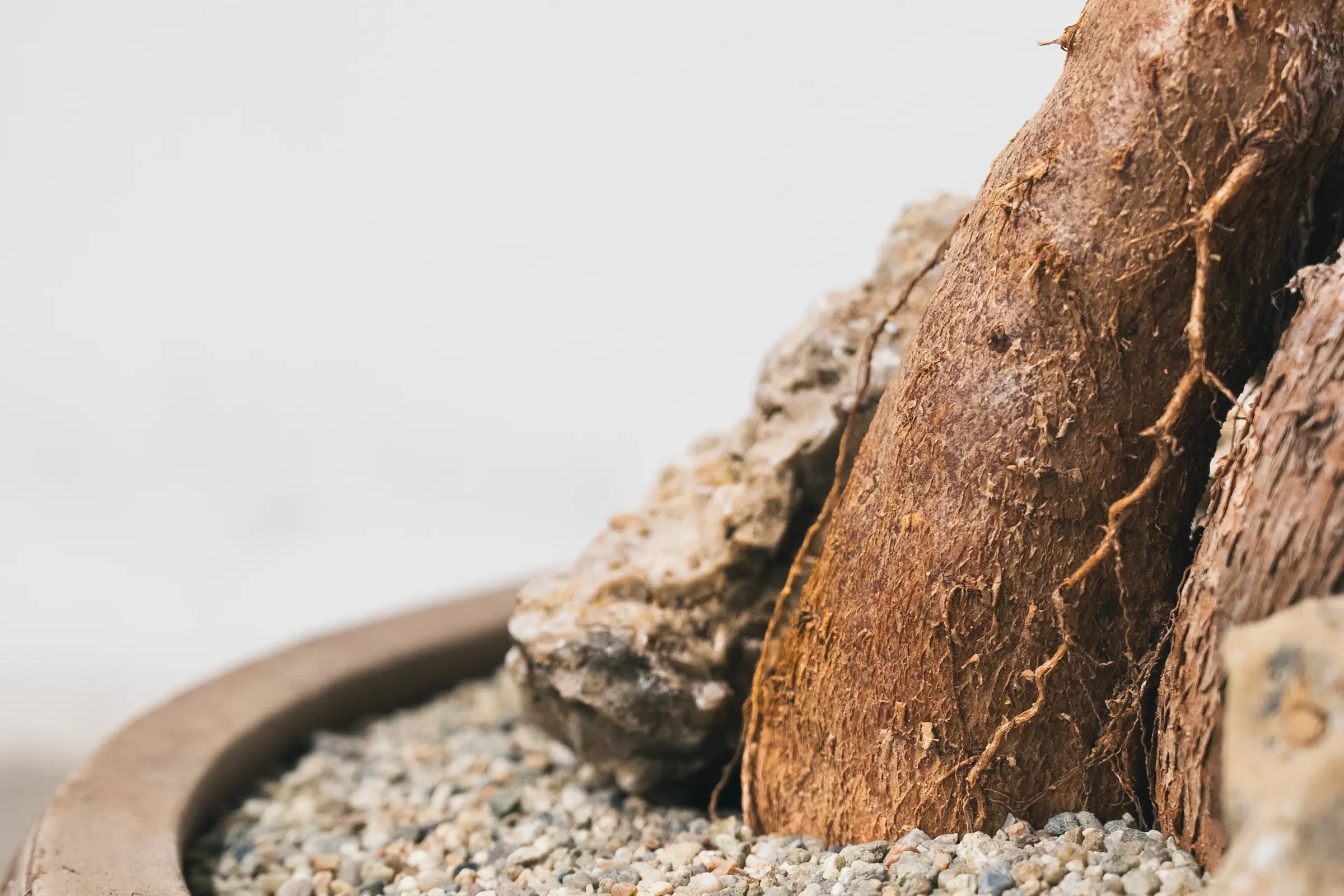
Some species, especially caudiciform and desert plants, enter partial dormancy.
Signs of dormancy:
• Slowed growth
• Fewer new leaves
• Extended drying intervals
• Occasional leaf drop
Signs of true decline:
• Mushy stems
• Persistent yellowing across canopy
• Sour soil smell
• Rapid leaf loss
Understanding the difference prevents unnecessary intervention.
Spring Awakening
As daylight increases:
• Growth resumes
• Leaves enlarge
• Soil dries faster
• Fertilizer can resume
• Repotting becomes appropriate
Plants naturally respond to increased energy.
Seasonal Rhythm Is Normal
Healthy plant ownership means adjusting expectations.
Growth is not linear year-round.
Light determines growth.
Growth determines watering.
Season determines rhythm.
When to Be Concerned
You should investigate further if you notice:
• Rapid full canopy leaf drop
• Persistent mushy stems
• Pest activity spreading
• Soil staying wet excessively long
Otherwise, gradual seasonal change is expected.
Consistency Over Reaction
Most winter plant issues are caused by reacting too quickly.
Avoid:
• Sudden relocation
• Heavy fertilizing
• Aggressive pruning
• Increasing water to “compensate”
Often the best action is patience.
Seasonal Awareness Improves Everything
When you understand seasonal behavior, you gain:
• More predictable watering
• Stronger roots
• Reduced pest pressure
• Less plant stress
• Longer lifespan
Plant care is rhythm, not reaction.
Looking for ongoing plant care support?
Our team offers recurring care through The Plant Daddies Society to support long term plant health and seasonal adjustments.
Sign up here to learn more.
%0AIf%20your%20plant%20slows%20down,%20drops%20a%20leaf,%20or%20looks%20less%20vibrant%20during%20certain%20months,%20it%20may%20not%20be%20a%20problem%20at%20all.%0AMost%20indoor%20p...)