
How to Care for Your Aloe barberae (Tree Aloe)
Care Guide
Aloe
barberae
The Tree Aloe — the world's largest aloe species, with thick gray bark, branching blue-green rosettes, and tall spikes of orange-pink winter blooms that make it one of the most dramatic outdoor specimens available.
The Plant
The world's
largest aloe.
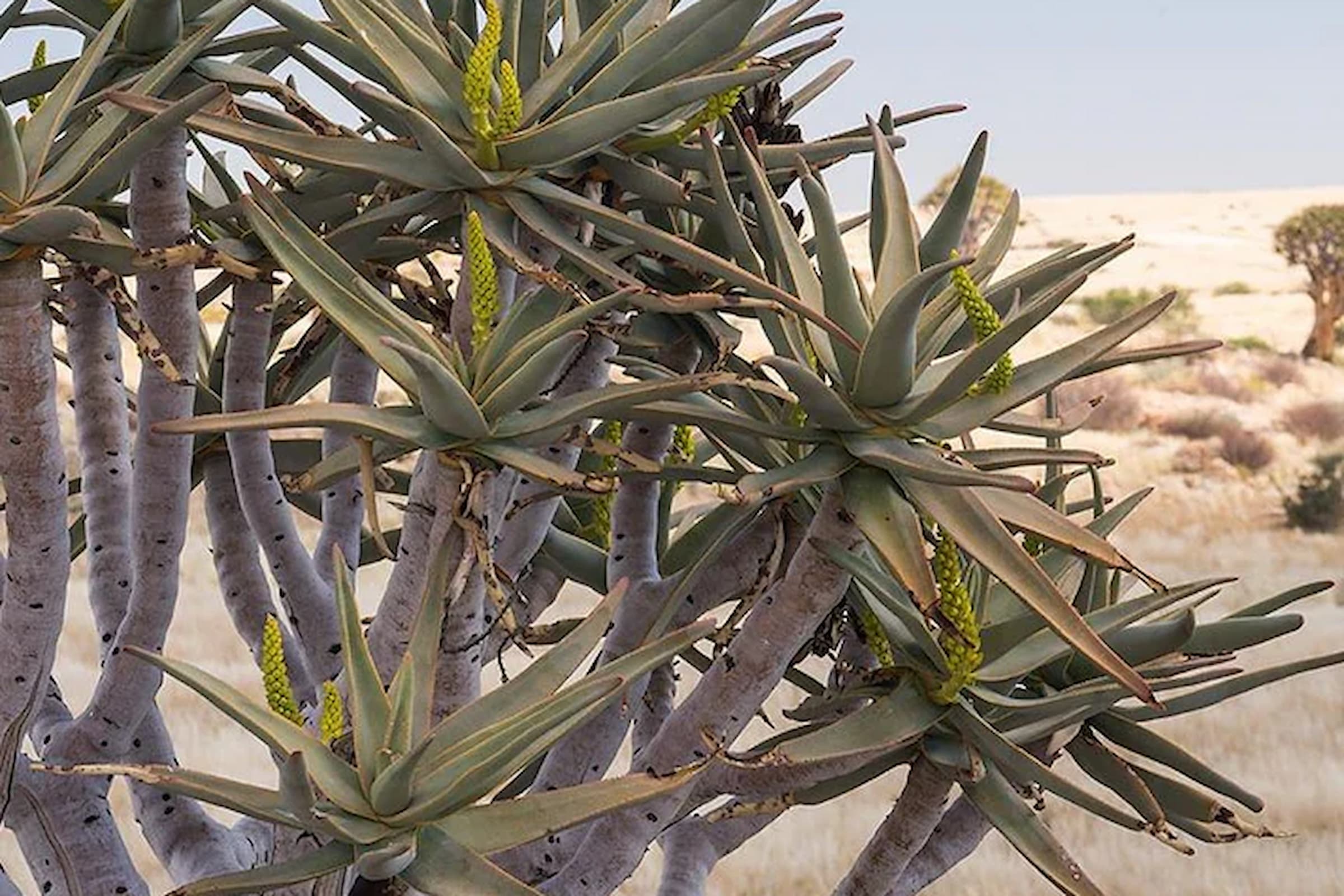
Native to the coastal forests and rocky slopes of South Africa, Swaziland, and Mozambique, the Aloe barberae holds a distinction no other aloe can claim — it is the largest aloe species on earth, reaching up to eighteen meters in its native habitat. In cultivation it grows far more modestly but retains every element that makes the species so compelling: a thick branching trunk covered in smooth gray bark, canopy rosettes of blue-green leaves that catch and hold light, and in winter, spectacular orange-pink flower spikes that transform the plant into something genuinely extraordinary.
Unlike the Quiver Tree — its desert-dwelling cousin — the barberae comes from coastal forest and rocky slope environments where rainfall is more regular and soils hold somewhat more moisture. This gives it a slightly more accessible care profile: it handles water more readily than a true desert species, tolerates a wider range of outdoor conditions, and rewards patience by growing into one of the most architecturally significant plants you can establish in a Southern California garden or terrace.
At a Glance
Light & Placement
The Tree Aloe is a full-sun species that performs best in the brightest, most open outdoor exposure available. It grows on coastal and rocky slopes under intense direct sun throughout the day, and it brings those requirements into cultivation. A position with six to eight hours or more of direct sun daily is ideal — and for flowering, more is always better.
Strong light actively shapes this plant. Sufficient sun promotes trunk thickening, maintains the compact rosette structure at each branch tip, and is the primary driver of the spectacular winter flowering this species produces. In insufficient light, rosettes stretch and lose their sculptural tightness, the trunk develops more slowly, and the probability of bloom drops significantly. For a practical framework on evaluating light levels in any space, see our Interior Plant Placement Guide.
Rotate quarterly. If growing in a container, rotate a quarter turn every few weeks to encourage even, balanced branching and prevent a pronounced lean toward the primary light source. Acclimate gradually when introducing to full sun from a lower-light position — even one to two weeks of transition reduces the risk of leaf scorch.
Watering & Reading the Plant
The Tree Aloe stores moisture in its thick trunk and fleshy leaves — but unlike true desert species, it comes from an environment with more regular rainfall and benefits from more consistent watering during the active season. Allow the soil to dry almost completely between waterings, then water deeply and thoroughly until it flows freely from the drainage holes. Shallow watering encourages surface roots; deep watering drives the root system down and builds structural stability in a tall, branching specimen.
During spring and summer, watering every ten to fourteen days is typically appropriate, adjusted for heat, sun exposure, and container size. Factor in rainfall — after significant rain, skip the next scheduled watering. In cooler months as growth slows, extend to every three to four weeks. For a full walkthrough on reading soil moisture correctly, see our guide on how to know when to water your plants.
Well Hydrated
Leaves hold good tension and appear firmly upright. No water needed — the soil is still holding some moisture at depth.
Ready to Water
Outermost leaves losing slight firmness or showing fine wrinkling — the right moment to water deeply and completely. Return to the normal dry interval.
Overwatered
Rosette centers soft or translucent — particularly in the rosette centers. Stop watering immediately. Allow extended dry-out and check for rot at the base before resuming any water.
Temperature & Cold Hardiness
One of the Tree Aloe's most practical qualities is its cold hardiness relative to other large succulents. Established specimens tolerate brief temperature dips to around 25°F without serious damage — considerably more cold-tolerant than many comparable outdoor specimens. This makes it a reliable year-round choice for most Southern California outdoor environments without winter protection.
Prolonged freezing temperatures or hard, sustained frosts will eventually cause leaf and trunk damage. Dry cold is far more survivable than wet cold — ensure the soil is fully dry before any cold spell arrives. A wet root zone combined with freezing temperatures creates rot conditions far faster than cold alone. Young or recently repotted specimens are more vulnerable than established plants and deserve extra protection in their first one to two winters.
Container specimens in cold climates. If your climate regularly drops below freezing for extended periods, move the container to a frost-free but bright location during the coldest months. A cold, dark garage is not appropriate — the plant needs light even during its rest period.
Soil & Container
The Tree Aloe requires excellent drainage above all else. In its native rocky coastal habitat, water moves through the substrate rapidly and roots never sit in prolonged moisture. In a container, use a quality cactus and succulent mix amended with 30 to 40 percent perlite or coarse sand. The medium should drain freely and not retain water at the bottom of the pot. Always use a container with drainage holes — standing water at the root zone, even briefly, is one of the fastest ways to compromise this species.
As the Tree Aloe grows into a large, increasingly top-heavy specimen, container weight and stability become essential. A heavy low-profile pot — stone, concrete, or thick terracotta — provides critical stability against wind. A lightweight plastic container that was fine for a young specimen will become inadequate as the branching canopy develops.
Fertilizing
Feed once a month through spring and summer with a balanced liquid fertilizer at half strength — or a succulent and cactus-specific formula with lower nitrogen content. High nitrogen encourages soft, rapid growth that lacks the structural density this species is known for. The goal is steady, dense development rather than fast, weak extension.
During the winter flowering period, a formulation with slightly higher phosphorus content can support bloom development and vigor. Pause all fertilizing in fall after flowering slows and through the winter rest period — continued feeding accumulates salt in the soil without benefit to a plant that has significantly reduced its metabolic activity. For a complete breakdown of how to feed plants correctly, our guide on fertilizing indoor plants properly covers the full approach.
Always water before fertilizing. Never apply liquid fertilizer to dry soil. Water thoroughly first, then apply the diluted fertilizer as a second pass to avoid concentrating salts against dry root tissue.
Pruning & Maintenance
The Tree Aloe requires minimal pruning — its natural branching habit creates a refined canopy without much intervention. The most impactful maintenance task is removing the dried lower leaves that accumulate along the trunk and lower branches over time. This keeps the plant looking intentional, improves airflow through the lower structure, and progressively exposes more of the smooth gray bark that is one of the plant's most distinctive features.
If shaping is needed, prune in early spring before the growing season begins. Remove any dead, crossing, or poorly positioned branches to open the canopy structure. After flowering, remove spent flower stalks cleanly at their base. Always wear gloves — the leaf tips are sharp and the sap can irritate skin on contact. Our guide on how to prune indoor plants like a professional covers the technique and timing that apply across all species.
Winter Flowering
The Tree Aloe's winter flowering is one of its defining qualities. Mature specimens produce tall, branching spikes of tubular orange-pink blooms emerging from the rosette tips between late fall and early spring — a dramatic warm-toned display that is all the more striking against the plant's cool gray bark and blue-green foliage. Each flowering branch typically produces multiple bloom spikes over the years as the canopy develops.
Flowering is most reliably triggered by maximum summer sun followed by a pronounced dry, cool fall rest. The plant must accumulate sufficient heat and light energy through the growing season, then experience a clear reduction in water and temperature as fall arrives. Plants watered too generously through fall, or grown in insufficient summer light, rarely bloom regardless of age. After blooms fade, remove spent stalks cleanly at the base.
The most common failure: overwatering year-round combined with insufficient summer light. Maximize outdoor sun exposure through summer and allow a clear, dry seasonal rest as temperatures cool in fall — these two conditions together are the most reliable path to winter bloom.
Seasonal Calendar
Spring — Remove spent flower stalks. Resume monthly fertilizing. Repot if needed. Watering increases as temperatures rise and growth accelerates.
Summer — Maximum sun is the priority. Water every ten to fourteen days when nearly dry. Monthly fertilizing. Monitor for pests on new growth. Deep water every time.
Autumn — Stop fertilizing. Reduce watering significantly — this is the critical flower trigger. Ensure soil is fully dry before cold arrives. Prepare frost protection if needed in your climate.
Winter — Water every three to four weeks. No fertilizer. Protect from hard frost. Remove spent stalks as blooms fade. Enjoy the orange-pink display.
Repotting
Repot every two to three years, or when the root system has clearly filled the container, the plant becomes noticeably top-heavy, or growth slows despite good care. Spring is the ideal window — repotting at the start of the growing season gives the plant maximum time to establish before winter. Choose a container only one to two inches larger and refresh the soil entirely. After repotting, water lightly and wait one to two weeks before resuming normal watering to allow disturbed roots to settle.
Propagation: Viable from both stem cuttings and base offsets. Stem cuttings taken in late spring should be allowed to callous for 48 to 72 hours before placing in a dry, gritty mix — keep in bright light and water very sparingly until roots develop over four to eight weeks. Base offsets, when they appear on mature plants, can be carefully removed with a clean knife once they have developed their own root system and establish more quickly than cuttings.
Common Issues
Most problems with the Tree Aloe trace to one of two causes: overwatering causing root and base rot, or insufficient sun causing structural degradation and failure to bloom. Confirm these two factors before investigating anything else.
Soft or Mushy Leaves
Overwatering or frost damage. Allow the soil to dry completely and check for rot at the base. Remove any affected tissue with clean cuts and reduce watering going forward. Soft rosette centers are the early warning sign — act immediately.
Base Rot
Soft, darkened tissue at the trunk base caused by sustained moisture or wet cold. Improve drainage, stop watering immediately, and allow the soil to dry completely. Remove any affected tissue with clean tools and repot in fresh fast-draining mix.
Stretching Rosettes
Rosette leaves elongating and losing their compact sculptural form — reaching for more light. Move to a brighter, more fully sun-exposed position as soon as possible. This cannot be reversed on existing growth but new growth will be more compact in better light.
No Flowering
Requires a mature plant, strong summer sun, and a pronounced dry cool-season rest. Insufficient light during the growing season is the most common cause. Maximize sun exposure and allow a clear seasonal dry period before winter to trigger bloom.
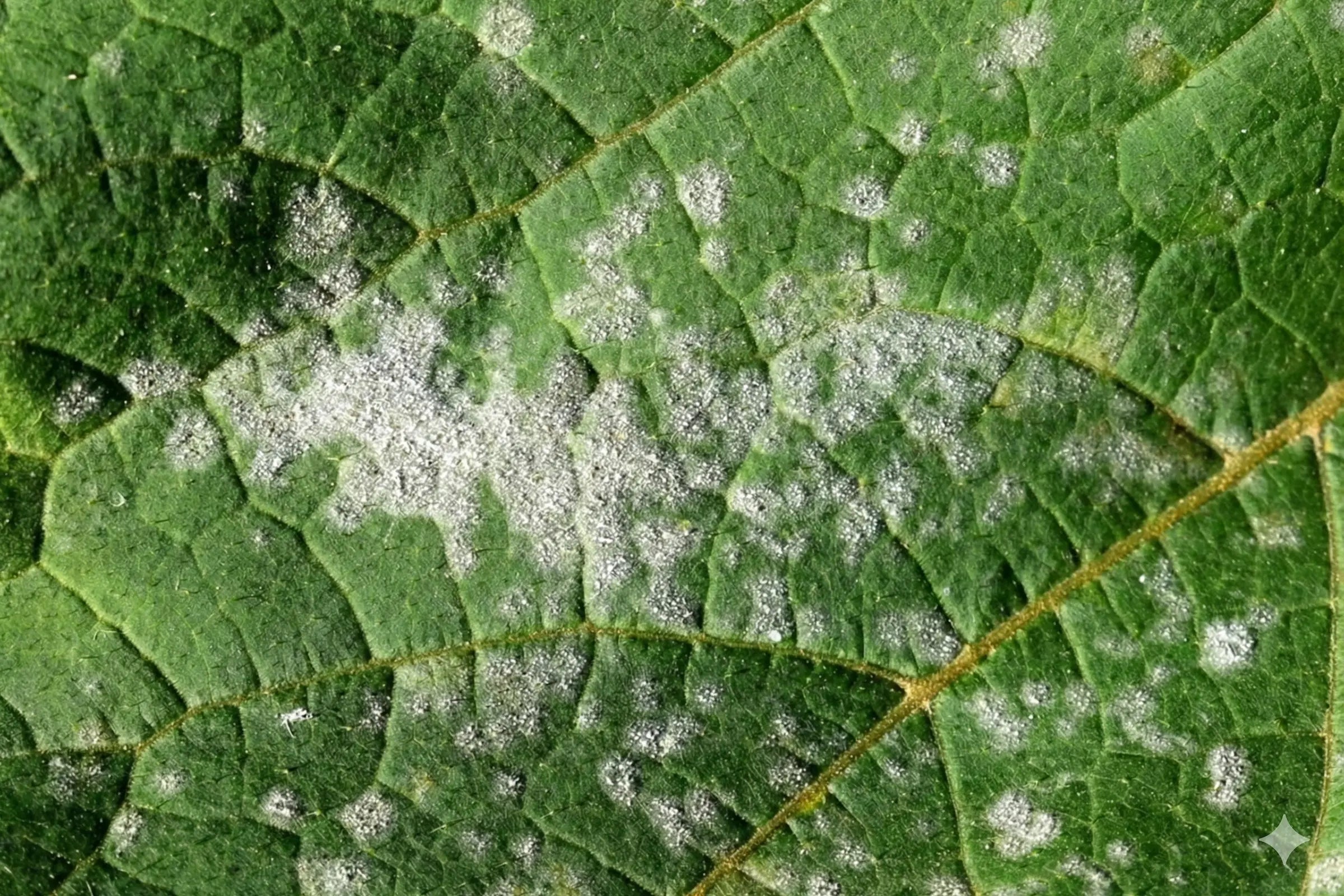
Fine stippling and webbing on leaf surfaces, most common in dry, stagnant conditions. Treat with neem oil or insecticidal soap applied to all surfaces. Repeat weekly for three to four weeks. Good airflow is the most effective long-term deterrent.
White cottony clusters concentrate in tight leaf bases — check those areas first. Treat with isopropyl alcohol on a cotton swab for direct contact, then follow with a thorough neem oil application across the full plant. Repeat weekly until clear.
Brown shell-like bumps along stems and the undersides of leaf surfaces. Scrape away manually, then treat all surfaces with neem oil. Inspect neighboring plants immediately — scale spreads readily and can establish on adjacent specimens before it is visible on the original host.
Dust on Leaves
The broad leaf surfaces accumulate dust efficiently in dry climates. Wipe each leaf with a soft damp cloth, top and underside. Do not use leaf shine products. Outdoors in regularly watered gardens, rainfall typically handles dust accumulation naturally.
Growth & Lifespan
The Tree Aloe grows at a moderate pace in full sun with appropriate care — not as dramatically slow as the Quiver Tree, but deliberate and steady in a way that accumulates beautifully over time. In its first few years, energy goes into root establishment and trunk thickening; over the following decade, the branching canopy develops and the gray bark becomes progressively more characterful and defined.
This is a long-term outdoor specimen — one that earns its position year after year and becomes more architecturally significant the older it gets. The winter flowering, when it comes, is the annual punctuation mark on a plant that is quietly extraordinary in every season. Patience and full sun are the two things it asks for. Everything else, it handles on its own.
The Plant Daddies Society
Let us handle
the care.
Weekly expert visits, full plant protection, and a living collection that grows with you. The Society takes the guesswork out of plant ownership entirely.
%0A%0A%0A%0A%0A%0A%0A%20%20%0A%20%20%0A%20%20Care%20Guide%0A%20%20Aloebarberae%0A%0A%20%20The%20Tree%20Aloe%20%E2%80%94%20the%20world's%20largest%20aloe%20species,%20with%20thick%20gray%20bark,%20branching%20blue-green%20rosettes,%20...)